On hiking and high mountain, a good backpack is not only important: it is essential. It's not just about the size or the brand, it's about how you choose your backpack and, above all, how you organize the team within it.
The capacity of a backpack is measured in litres, and this determines how much volume you can carry. However, the right weight and distribution are factors much more important than simply "that fit everything."
In this guide I explain how to organize your mountain backpack correctly so that your experience is more secure, comfortable and efficient.
What size backpack do I need?
Mountain backpacks are usually classified by capacity:
- 20-30 liters: Short walks or one-day routes.
- 30-45 liters: Half mountain hiking.
- 50-70 liters: High mountain or several-day traverses.
It is important to mention that there are models specifically designed for women, adapted to the anatomy of the female body, with back and straps adjusted for greater comfort.
Choosing your backpack well is the first step for a safe mountain experience.
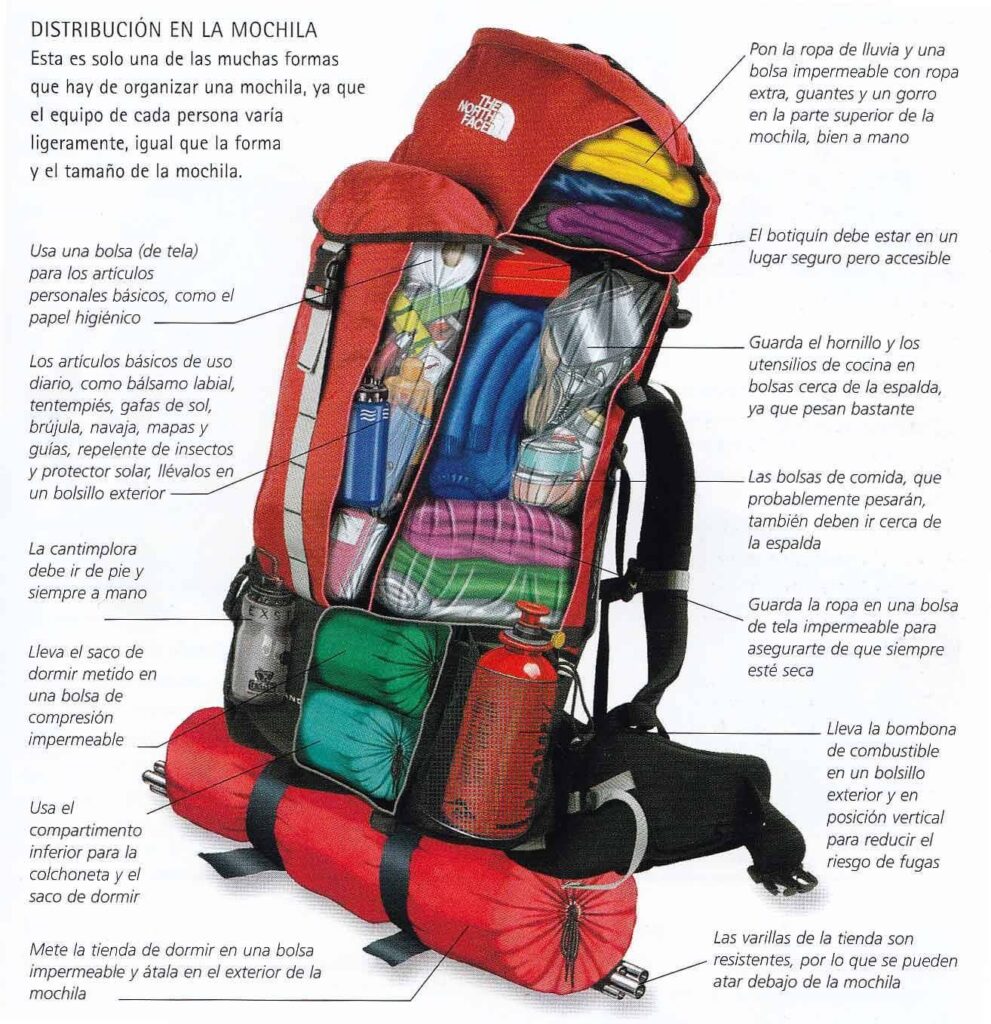
How to distribute weight correctly in the backpack
A bad distribution can lead to:
- Lone pain
- Premature Fatigue
- Disbalance in technical land
The basic rule is:
1) Lower (light load)
Here are voluminous but light objects:
- Sleeping bag
- Pendant
- Waterproof bag change clothing
2) Middle part, stuck to the back (heavy load)
Here are the heavier objects:
- Kitchen or baking
- Food
- Pipeline
- Additional water
Keeping weight close to the back improves stability and reduces effort.
3) Top (quick access)
Place what you may need at any time:
- Waterproof clothing
- Gloves
- Warm
- Thermal jacket
4) Outer corridors
Here are small or frequently used items:
- Solar protector
- Sunglasses
- compass
- Snacks
- Flashlight
- Sniper or multitool
- Cellular with charged battery
Gas or fuel always in vertical position and in external pockets to reduce risks.
Accessories that can't be missed in your backpack
Some basic elements for any output:
- Sufficient water
- Extra food
- Personal kit
- Waste bag
- Toilet paper
- Front lamp
- Silbate
- Impermeable
On the high mountain, every detail counts.
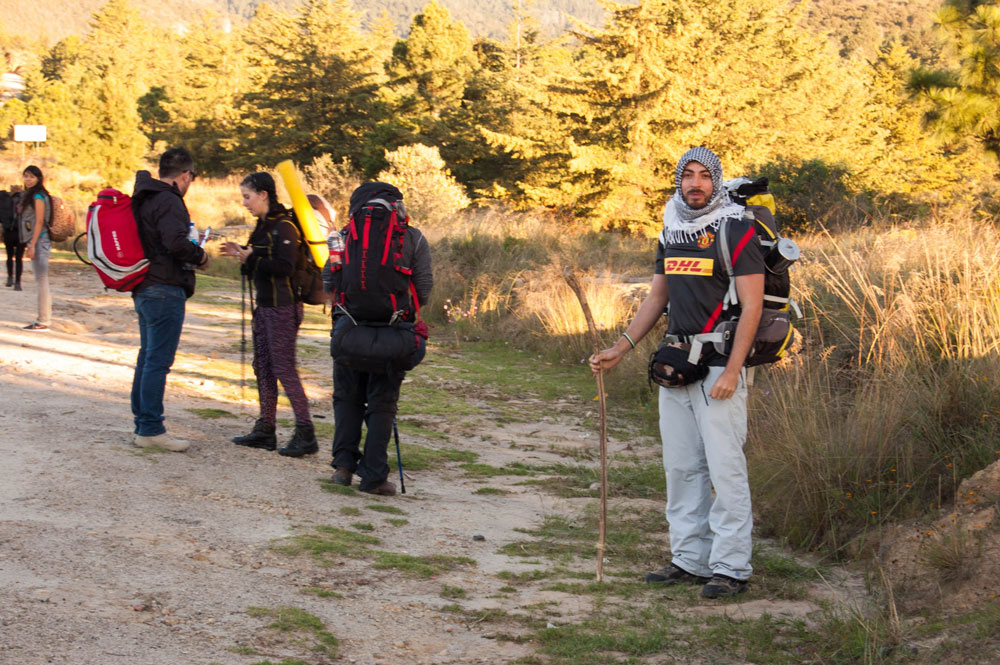
Common errors when organizing the backpack
- Put the heavy away from the back.
- Carry loose objects without waterproof bags.
- Overload the backpack unnecessarily.
- Do not test the adjustment before the output.
A well-organized backpack can make the difference between a pleasant experience and an exhausting day.
Safety and preparation before leaving
Organizing the backpack is part of the preparation, but you should also consider:
- Aclimatization
- Climate conditions
- Physical level
- Planned route
If you want to deepen more on high mountain preparation and safety, you can check our guides within the blog.
Live the mountain with proper preparation
In Tlazohtepetl we believe that the mountain not only rises, it is respected. A good preparation begins from home, choosing and properly organizing your team.
If you want to live a accompanied and safe mountain experience, know our next routes and experiences