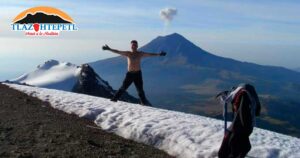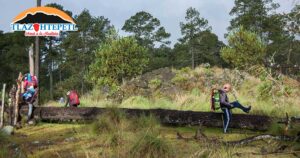
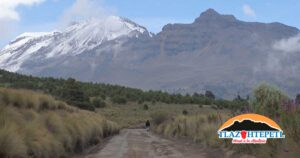
When we think about going out to the mountain for the first time, we usually romanticate the experience a lot by letting us get carried away by what shows us an image. But not everything is that great view from the top. It is changing climate, physical effort and decisions that can make the difference between a great experience and a bad time. Preparing your backpack correctly is not a detail: it is a fundamental part of your safety. It is not the same simple walk as a high mountain expedition, so here we share the essential accessories according to the degree of difficulty.
Basic walk or recreational hiking
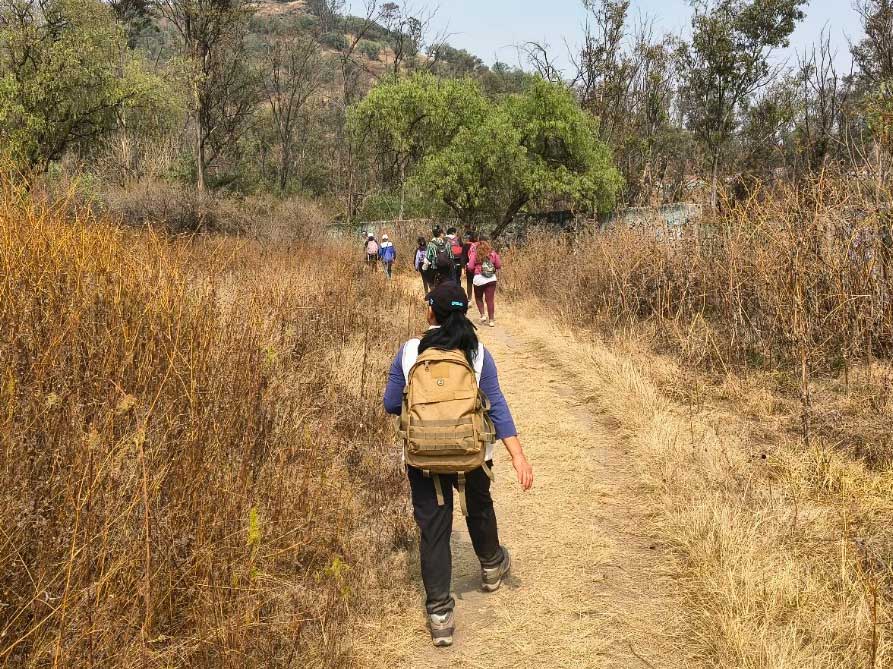
These types of routes are often considered to be of low difficulty, usually in wooded environments, sometimes with signposted trails or walking for a few hours and on not so irregular grounds. Our recommendations for this type of walk are:
- Sufficient hydration: It takes at least 1 to 2 litres of water. Even on short routes, dehydration can cause fatigue and headache.
- Energy Snacks: Dry fruits, energy bars or dehydrated fruit will help you keep up.
- Solar protection: Solar blocker, cap or hat covering the neck and sunglasses. Even on a cloudy day, UV radiation is still present.
- Light permeable: On the mountain the weather changes fast. A compact windbreaking or waterproof can save the day.
- Basic kit: It includes curtains, bandages, painkillers and blisters treatment.
- Front lamp: Even if you plan to return early, it's never too much to wear a small front lamp.
At this level, light weight is key. Take what you need, but avoid overloading your backpack.
Half mountain, altitudes of 3,000 m on average
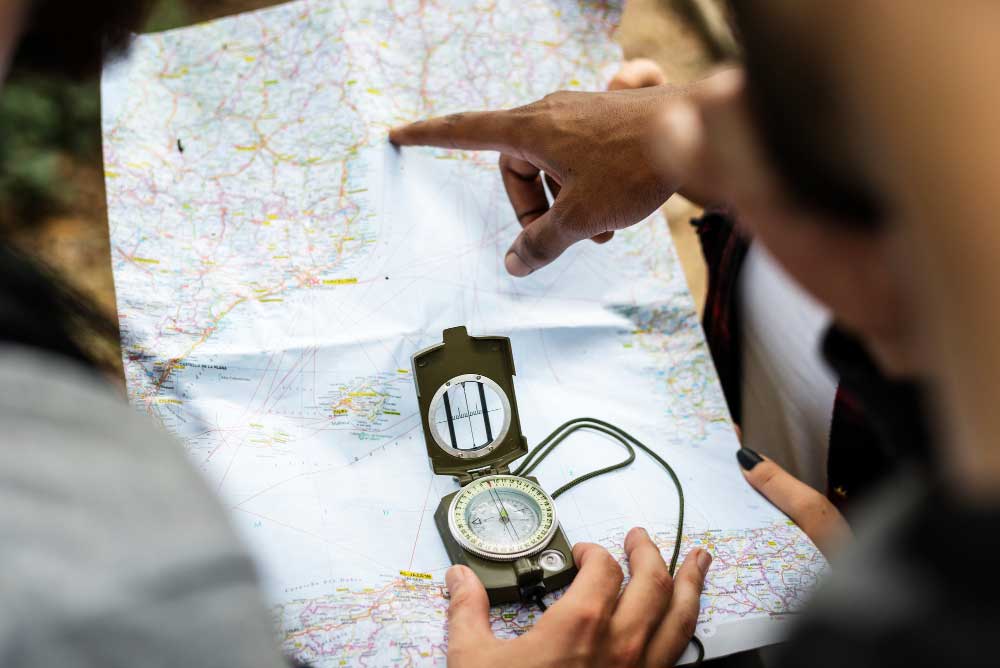
Here we talk about routes with higher levels, longer duration, higher physical demand and more marked climate changes.
- Layer system: Dressing in layers allows you to adapt to the climate without oversweating.
- First thermal layer
- Second layer fleece or polar.
- Waterproof layer
- Hiking sticks: They reduce the impact on knees and improve the balance in technical decreases.
- Gloves and buff: The high wind can drastically lower the thermal sensation.
- Physical map or GPS: Most likely in most mountains you don't have a signal on your cell phone, try to get a backup.
- Emergency whistle: Small, light and vital in case of miscarriage.
- Power bank: The cold faster discharge of cell batteries and any other device, carrying this type of portable batteries is always a good idea.
In the middle of the mountain it is no longer just about comfort, but about safety and prevention.
High mountain (more than 4,000 or 5,000 msnm)
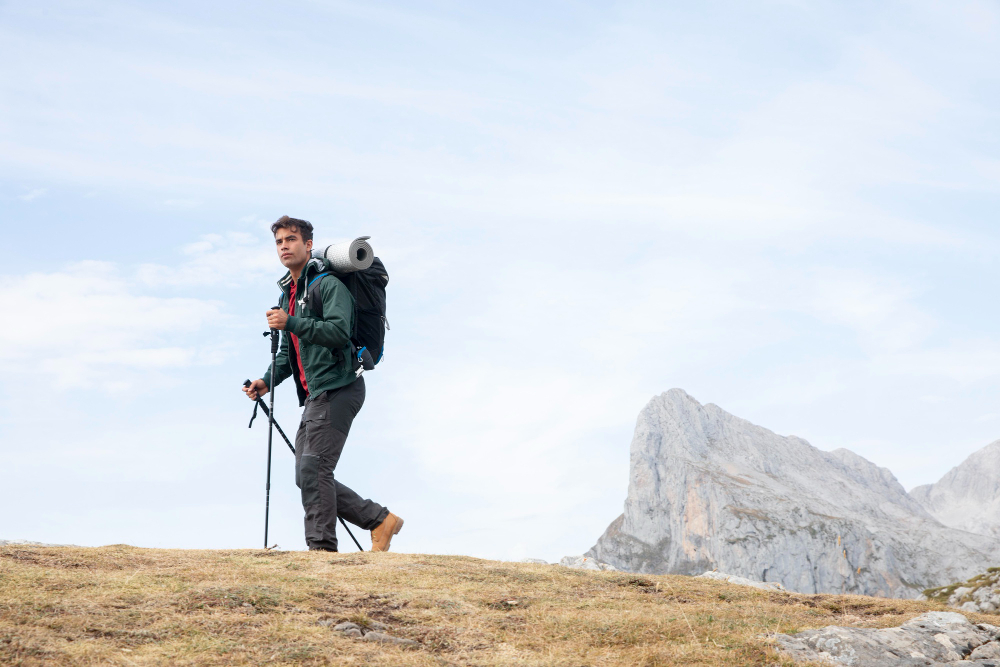
Here we enter land like the Pico de Orizaba, the Iztaccíhuatl or the Nevado de Tolucawhere conditions can change in minutes and the level of difficulty increases considerably. In addition to all the equipment mentioned above, we recommend that you consider the following:
- Technical equipment (by route): This team depends on the type of promotion and must always be accompanied by technical knowledge.
- Helmet
- Arnes
- Crampons
- Piolet
- Powerful front lamp (with extra batteries): Many ascends start early in the morning and in "Tlazohtepetl Amor a la Montaña" we love to receive the dawn in the heights.
- Thermal and spare gloves: In altitude, losing sensitivity in the hands can be dangerous.
- Thermal cap and flasks: We must remember that much of the body heat is lost to the head.
- High mountain solar protection: Radiation increases considerably with altitude.
- FPS 50 + blocker
- Liver protection
- UV-protected lenses
- Extended kit: It includes elastic bandages, personal drugs and basic emergency material.
- Emergency bag or thermal blanket: Light and potentially vital in case of prolonged waiting or very low temperatures.
In high mountains, prevention is not optional. Everything must be designed to be able to respond to almost any kind of scenario. Each mountain level requires different preparation. Wearing too much weight can exhaust you, but wearing little equipment can put you at risk. The key is to assess the route, duration, climate and your preparation. If you are ready to take the next step and live the experience of the mountain, in "Tlazohtepetl Amor a la Montaña" we accompany you on each level, from recreational walks to high mountain promotions.
Get ready and make every adventure an unforgettable experience!